
The White River flows gracefully through the small community of Guion, a place where history, resilience, and natural beauty come together.
In its early days, Guion thrived as a river town. The White River served as a major trade route, bringing steamboats, travelers, and commerce to the area. Over time, the town developed mills, small businesses, and even a newspaper, helping it grow into an important local center for surrounding communities. One of the industries that shaped the town was silica sand mining, which began in the early 1900s and continues today. The sand found here is extremely pure and has long been used in the production of glass and other materials.
But Guion’s story is not just about industry—it is also about survival.
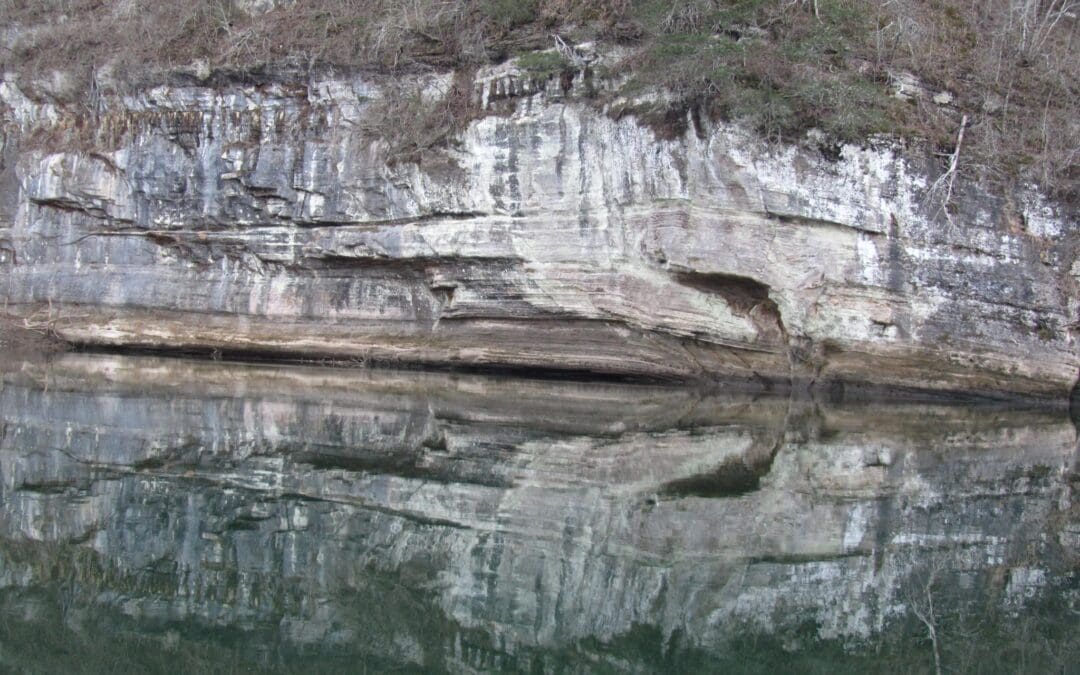
On April 10, 1929, a devastating tornado tore through the region and struck the town directly. Nearly every building in Guion was destroyed, leaving only a handful standing. Residents took shelter in sand caves along the river bluffs as the storm ripped through town. Several people were killed and many more injured, while survivors were forced to live in tents and temporary shelters in the days that followed.
Despite the destruction, the people of Guion refused to give up. Volunteers from nearby towns helped rebuild homes and businesses, and the community slowly began to recover. The town was rebuilt and life continued along the White River, proving the strength and determination of the people who call this place home.
Today, Guion remains a quiet Arkansas town with deep roots. The White River still draws visitors for fishing, floating, and enjoying the scenic Ozark landscape, while the historic sand mines remind visitors of the industry that helped shape the community.
Guion may be small, but its story is a powerful reminder that even the smallest towns can have remarkable history—and incredible resilience.